



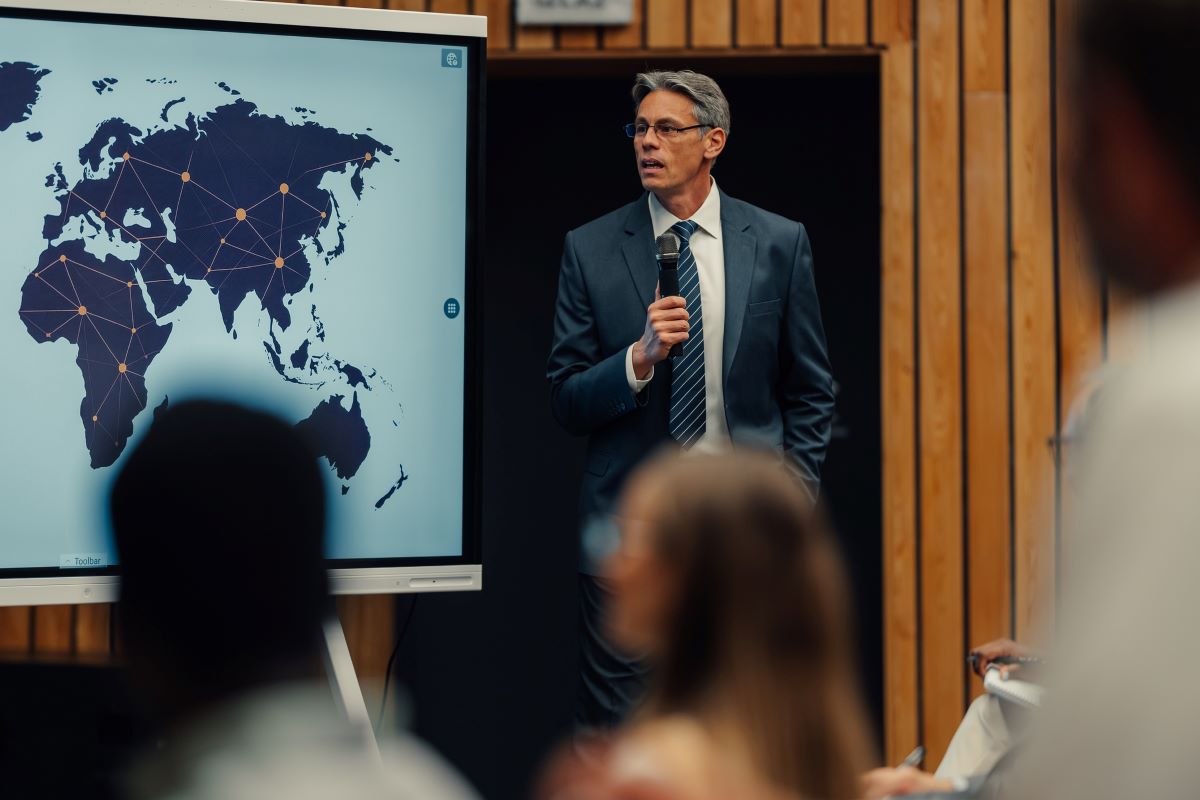
The puzzle of borderless protection
As someone based in Japan and working for a global organization, I have the opportunity to witness the ambition of domestic companies as they expand overseas. Yet, many of them face a significant information gap, struggling to navigate complex local regulations and unfamiliar regional risks.
In Japanese business culture, success is rooted in Wa (“harmony”) and Omotenashi (“hospitality”). As a result, clients expect more than insurance coverage alone and look for a partner they can trust deeply.
This is where Multinational Business solutions become essential. They help protect not only the business itself, but also the personal assets of its leaders against claims arising from decisions and actions taken while managing the company. For multinational companies, however, this protection can be difficult. Each country may require a local policy, while the organization also needs a global master policy for consistent coverage. Aligning these local and global policies is highly complex and any mismatch can create coverage gaps that leave company leaders unknowingly exposed.

Moving beyond fragmented partnerships
For years, the insurance industry’s answer to this puzzle was a compromise. When an insurer lacked a presence in a certain country, they partnered with third-party partners. While this filled a geographical gap, it often resulted in a fragmented and inefficient system.
From a client’s perspective, this meant dealing with multiple contacts, inconsistent service levels, and agonizingly slow communication. Historically, it could take months just to receive a global program quotation. For insurers, it also meant limited central control. When a crisis hits, clients need a single, coordinated team ready to respond, not a disjointed network. The old model made seamless global risk management nearly impossible.
Securing the horizon for borderless growth
This is why I was so proud of our recent success with Sompo Japan. Sompo Japan had thus far provided schemes such as D&O (Directors and Officers insurance) coverage by leveraging third-party networks, facing the very fragmentation I described. Recognizing the need for a truly integrated solution, Sompo Japan chose to migrate this entire complex portfolio to our in-house global platform, operated by Sompo’s Multinational Business Unit (MBU).
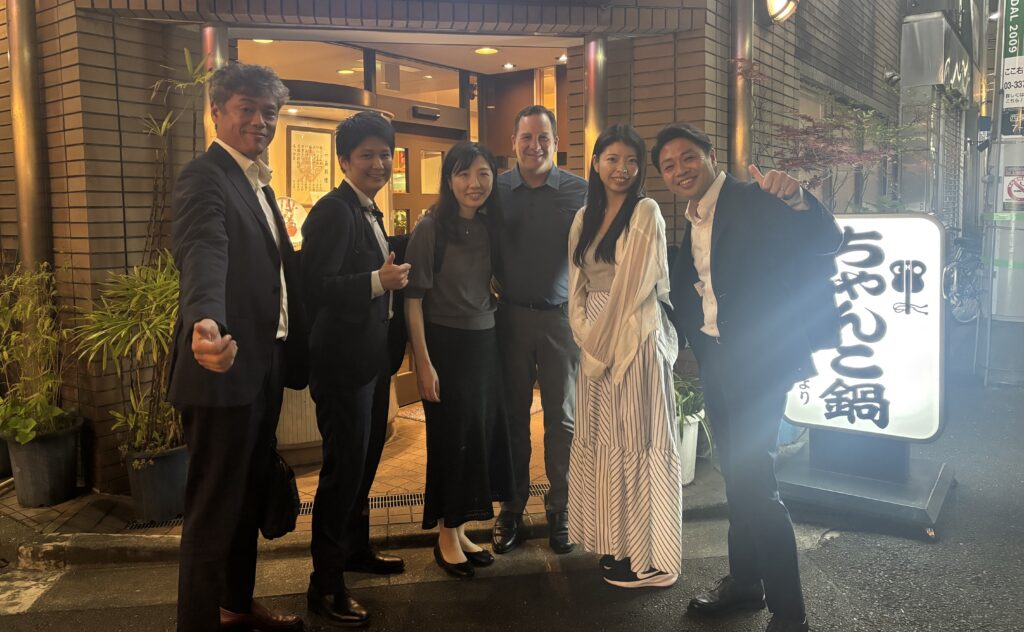
This wasn’t just a simple transfer. It was a fundamental shift in how we serve our clients. MBU acts as a “center of gravity,” just as our colleagues at Sompo Japan described it. Through our worldwide program, we provide a single, coordinated solution across more than 160 countries. This platform helps bridge the gap between the master and local policies, ensuring seamless and consistent protection.
For the client, this means one team, one point of contact, and one unified strategy. For the Sompo Group, it is a realistic expression of a unified SOMPO P&C, where the deep domestic expertise of Sompo Japan and the strength of Sompo’s global network come together. It proves that SOMPO P&C is more than just an insurer; we are a global risk partner, committed to supporting our clients’ success, wherever they do business.