


The state of the energy market
In today’s energy market, we are seeing constant change. Geopolitical tensions, trade disruptions, and shifting government policies are all affecting energy security, affordability, and stability. From data centers powering AI to the growth of renewables, risks are evolving fast.
We’ve seen our clients in traditional upstream (oil and gas exploration) and downstream (refining and petrochemical processing) sectors experience limited growth outside of some construction projects. However, midstream opportunities – particularly LNG plants built in response to recent energy crises – are expanding.
At the same time, the massive power needs of data centers in the US and elsewhere are driving the new construction of both renewable and conventional power plants. This creates fresh opportunities but also new complexities for insurers and clients alike.
The rise of renewables and data center demand
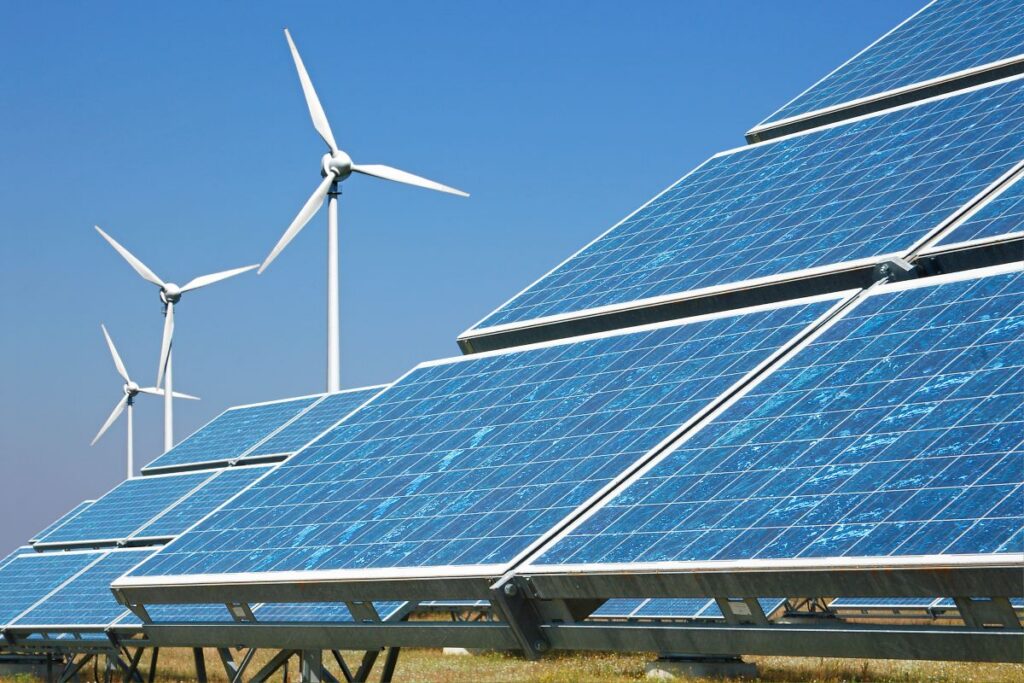
I oversee our business in renewable energy, and I can see that renewables remain a key part of the energy transition, with record levels of investment flowing into solar and wind power, as well as battery storage. Traditional oil and gas investments are declining, yet overall energy transition spending is at historic highs.
Redefining Risk with Sompo podcast

Sompo’s experts unpack the trends, challenges, and opportunities shaping the global insurance market. Each episode delivers practical insights and meaningful discussions designed to empower our audience to confidently face the future. Listen to the conversations at Redefining Risk with Sompo.
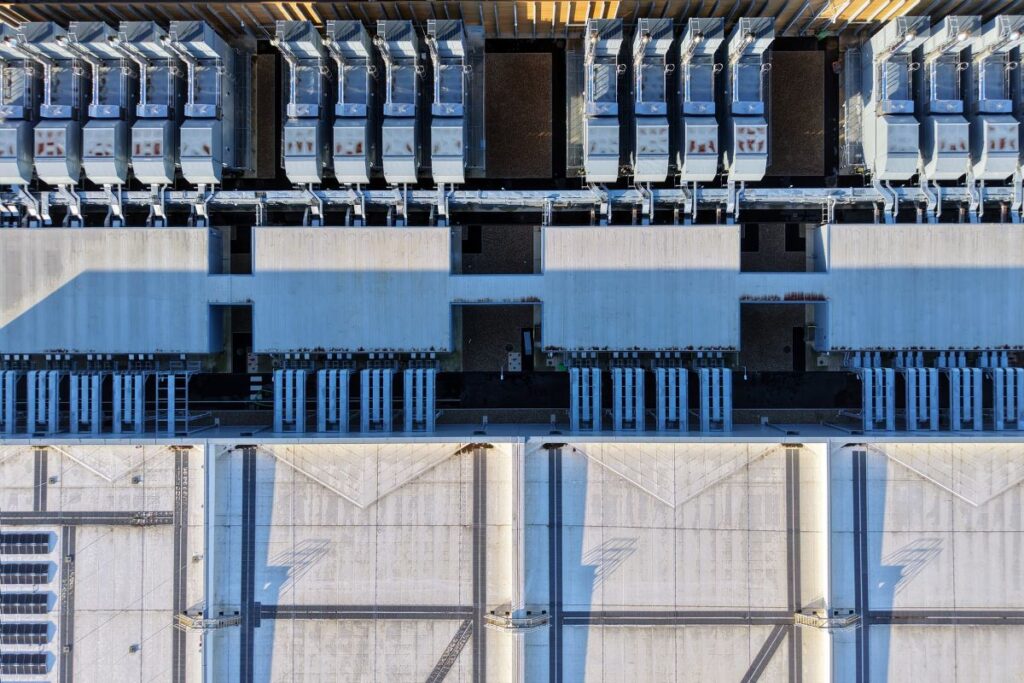
A major factor is the AI revolution driving surging power demand for data centers. This is also boosting growth in solar PV and battery storage in particular, while onshore wind continues to play an important role. However, many data centers already are or will potentially be located in areas prone to natural disasters, such as tornado-prone regions in the US Midwest. The data centers and the renewable energy assets supporting them are uniquely vulnerable, and the insurance market is understandably cautious about the associated risks.
Modelling challenges and natural catastrophe risks
One of the biggest challenges that we discussed is how to properly assess and model these risks. Many established risk models were designed for traditional disasters like hurricanes and earthquakes, or for solid structures. Renewable assets – such as solar farms or wind turbines – are often spread over large geographic footprints which can be more exposed to localized extremes of weather including secondary perils such as severe convective storms, wildfire, and flooding.
These models can underestimate losses because the technology is relatively new and untested, experience data is still limited, and assets are sometimes clustered in high-risk pockets – a problem known as “aggregation risk,” which is certainly a major challenge for the industry.
What is aggregation risk?
Aggregation risk in insurance refers to the concentration of many similar assets or policies in the same geographic area or feeding the same grid connection point. If a single event (such as a major storm) hits that cluster, it can lead to much larger cascading losses than expected. In the renewables sector, this is becoming more common as solar farms and battery storage projects are often built close together near available power connections.
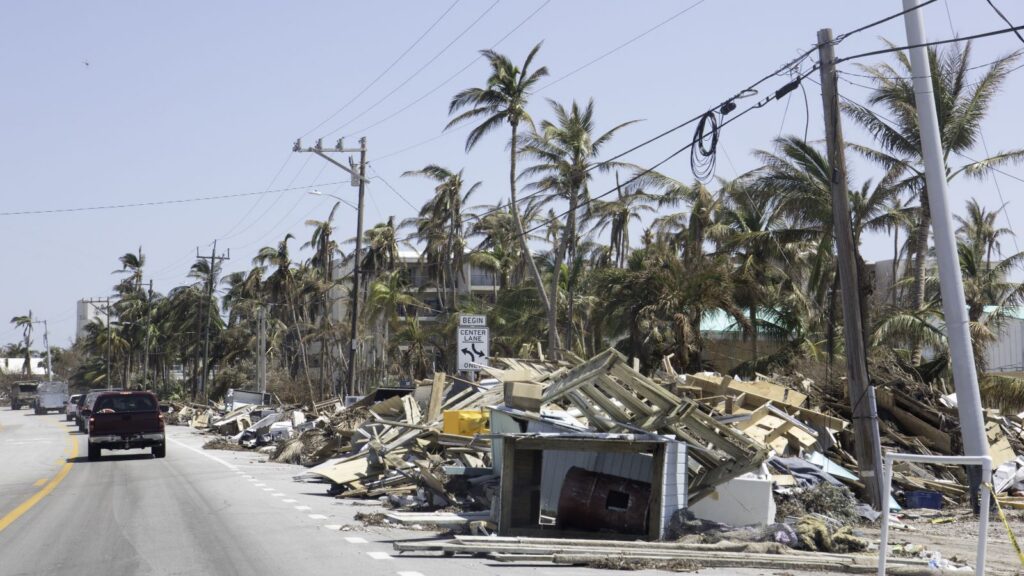
For example, the industry is still developing better ways to model offshore wind, including subsea cable installation and repair costs, which have become a persistent, and increasingly expensive issue. On the onshore side, innovations such as thicker glass and adjustable “stow angles” for solar panels (tilting panels into a safer position) during hailstorms are helping reduce damage, but technology is advancing quickly, making it difficult for models to keep up.
Delivering value through expertise and risk control
Despite these challenges, the renewables market offers real growth opportunities in a competitive environment with abundant capacity, making it currently a good time for buyers. Traditional energy underwriters are increasingly moving into renewables, seeing some commonality in financing requirements, policy structure and familiarity in operator competence and Original Equipment Manufacturers (OEMs). For the offshore wind sector in particular there are valuable transferable skills available from more mature oil and gas contractors and supply chains. Skills such as marine warranty surveying, honed within the upstream sector, are now proving highly valuable in offshore wind construction and installation.
At Sompo, we differentiate ourselves by having upstream, downstream, conventional power, and renewables specialists all working closely together in one team. This allows us to provide a single point of access for a comprehensive range of packaged solutions rather than negotiating multiple separate policies through different access points.
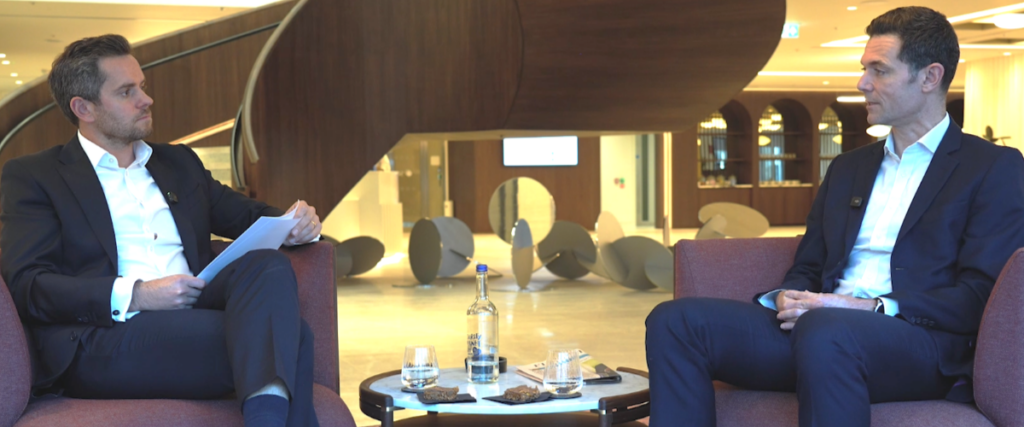
We also place strong emphasis on risk control. Our risk engineers, who assess assets globally, bring best practices from different regions and help clients manage new technologies. By engaging them early with clients and brokers, we move beyond simply providing insurance capacity to delivering real value, helping clients operate more safely and efficiently. An engineer who has reviewed sites across Asia or Europe can share proven approaches with operators in the US or UK, giving our clients insights they might not find elsewhere. This global perspective helps clients anticipate emerging risks, improve asset management, and ultimately reduce losses – benefits that go well beyond standard insurance coverage.
This collaborative, expert-driven approach, supported by strong claims capability, is what allows us to lead placements and support the energy transition responsibly. If you would like to hear more on this topic, I encourage you to listen to the full episode and subscribe to the series on your podcasting platform of choice.